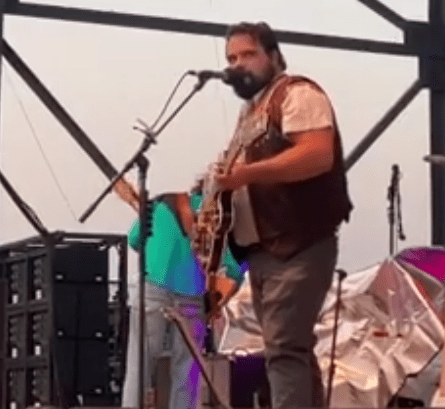
Local Carter County, Missouri band Harder Than Her Husband plays the main stage at Full Throttle Saloon at Sturgis, South Dakota. Full Throttle was made famous as a tv reality show open 10 days a year during the Sturgis motorcycle rally. The show features owner Mike Ballard, his wife Angie Ballard and Jesse James Dupree of the music group Jackyl. For more info on the band visit their Facebook page.
Carter County, Missouri natives Harder Than Her Husband play the main stage at Full Throttle Saloon, Sturgis, S.D. August, 2021 Click Here to watch.
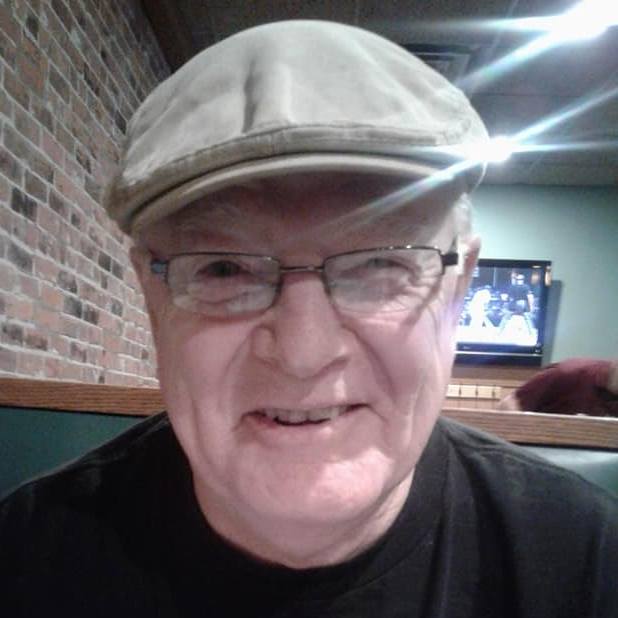
The first time I met Ed “Boston” Dorrer he was at the Bollinger County Eagles in 2010. It was a memorable day. My kids were at their mother’s house , dark clouds were on the horizon and tornado warnings filled the airwaves, a typical stormy Spring day in Southeast, Missouri.
Looking back leaving the house to go hang out with my friends in a metal building to wait out an impending tornado was not exactly the smartest decision but I’m so glad I did.
The first face I recognized was Dennis Willis, so I headed for his table, and a fateful meeting with “Boston”. With a scowl on his face he looked at me and said, “I don’t like people I don’t know sitting at my table.”
To which I replied, “Well it’s not just your table, it’s “Chief’s” too and besides, around here we put the Yankees outside to watch for funnel clouds.”
It was at this point “Boston” laughed and “allowed” me to sit at “his” table. It was his test and I had just passed it. It was the beginning of many friendly “arguments” between he and I.
“Boston” was a red-blooded American who had staked his claim in Marble Hill. He loved it here and convinced others to move here as well. Noone or no force of nature was going to move him either.
His house sat next to Crooked Creek and one time, during a flood, I went to check on him. When I arrived at his house, there he stood on his front porch wearing his “newsboy” hat, a sweatshirt, shorts and rubber boots, comical yet defiant. He informed me that he had already secured his possessions and wasn’t going anywhere. That was “Boston.”
He was a good friend to me , and many others in the area and once told me not long after moving here, that he had fallen upon “hard times” but the people of this town helped him out. He never forgot their generosity and afterwards you could find him at the Food Pantry, every Tuesday, helping area residents out just as they had helped him. Some people talked about caring, “Boston” proved he did through his actions.
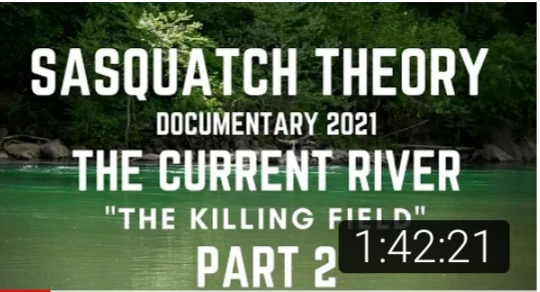
I’m posting Part 2 of The Current River Killer. I did not produce these documentaries, that credit goes to Sasquatch Theory over at YouTube. If .you missed Part 1 you can watch it by clicking on this link.
Of course residents of Bollinger County, Missouri may be surprised to learn of a Sasquatch sighting which occurred near Grassy, on the Castor River in 2012.
According to the report, the incident occurred on July 27, 2012 the person being interviewed stated:
“While at our cabin at Castor River in Bollinger Co Missouri our 14 yr old son and his friend witnessed what they said appeared to be a 7-8 ft tall human like creature knock down a dead tree across the river in their direction. (my wife and I were at the spot the day before and the tree wasn’t there..when we went the next morning we seen it in the river) It then landed in the water and stood there, it started towards them and they ran back to our cabin. Before this happened they heard rocks or something being thrown into the water. This occurred about 10-11 at night while the boys were in the river gigging. Which is knee to waist deep. These boys are all boy and spend nights out in tents at the river and woods.. This night they were extremely upset and scared and wouldn’t stay in the tent. They wanted to leave that night and come home! I don’t know what they seen, but I don’t think they are making this up, they were truly scared!!”
You can read the full report by clicking on this link.
I was recently given some old copies of the “Echo” , a magazine that used to be published by the Bollinger County (Missouri) Historical Society. I am already finding some interesting material.
One such story was found in the October, 1979 issue of the Echo, on page 117. The article, titled “They Thought He Was Jesse James’ Brother , Frank” was written by Clyde Willis who writes about a visit to the Randles James farm by two Pinkerton detectives:
“It was Friday, February 13, 1874. Just two weeks after the Gads Hill robbery when the two detectives drove their buggy to the Randles James farm on Cane Creek. They called Mr. James to the door and asked if he had any hogs for sale. They said that they were stock buyers and were traveling about the country buying stock for a large packing company in St. Louis. Both men were dressed in flashy suits with heavy overcoats and derby hats. They looked like typical stock buyers of the day.”
According to Mr. Willis’ article Randles James told the detectives that he had some hogs which were previously grazing on the range but were penned up to feed out and were not ready to sell yet. At the insistence of the detectives, Randles James took them to the pen at which time the detectives pulled their revolvers out and arrested James, who asked if they could stop at the house to tell his family what was transpiring and to get a heavier coat. James’ request was denied and the two Pinkerton agents transported James to Marble Hill as fast as their horses could travel.
There was a region for the urgency, the detectives thought they had captured Frank James, brother of Jesse James. Willis writes that the agents did not arrive at Marble Hill until after dark at which time they awoke Sheriff John Hopkins and informed him they had captured Frank James.
When the detectives asked Sheriff Hopkins to hold the “outlaw” overnight until the train arrived the next morning, he refused.
“Sheriff Hopkins, after one look at their prisoner , informed the detectives that they had made a mistake. “That is not Frank James”, he said. “That is Randles James. I have known this man all my life. He is a good law-abiding citizen. This man never broke the law in his life.”
The Pinkerton agents produced a photograph and insisted that the man they had in custody was Frank James.
Willis writes that:
“At that late hour , Sheriff Hopkins was in no mood to argue with the detectives. He made them release Mr. James and advised them to catch the first train out of Bollinger County. He also threatened to lock them both in the Marble Hill jail if they ever attempted to arrest a citizen of Bollinger County again.”
Support independent media by shopping at our bookstore.
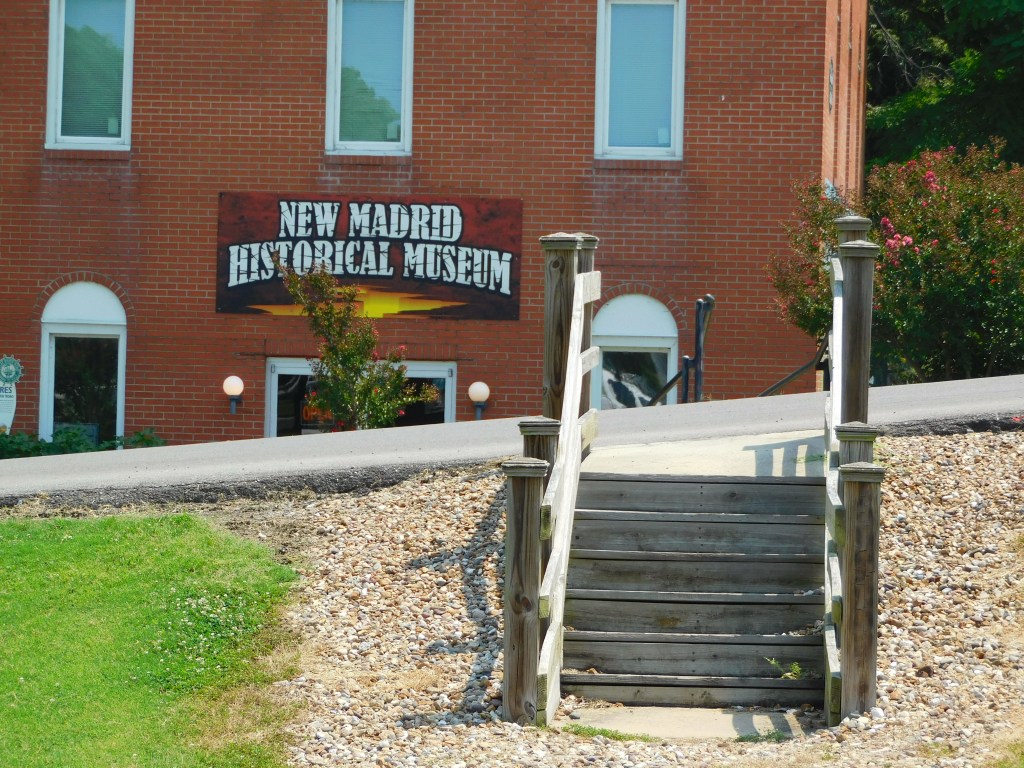
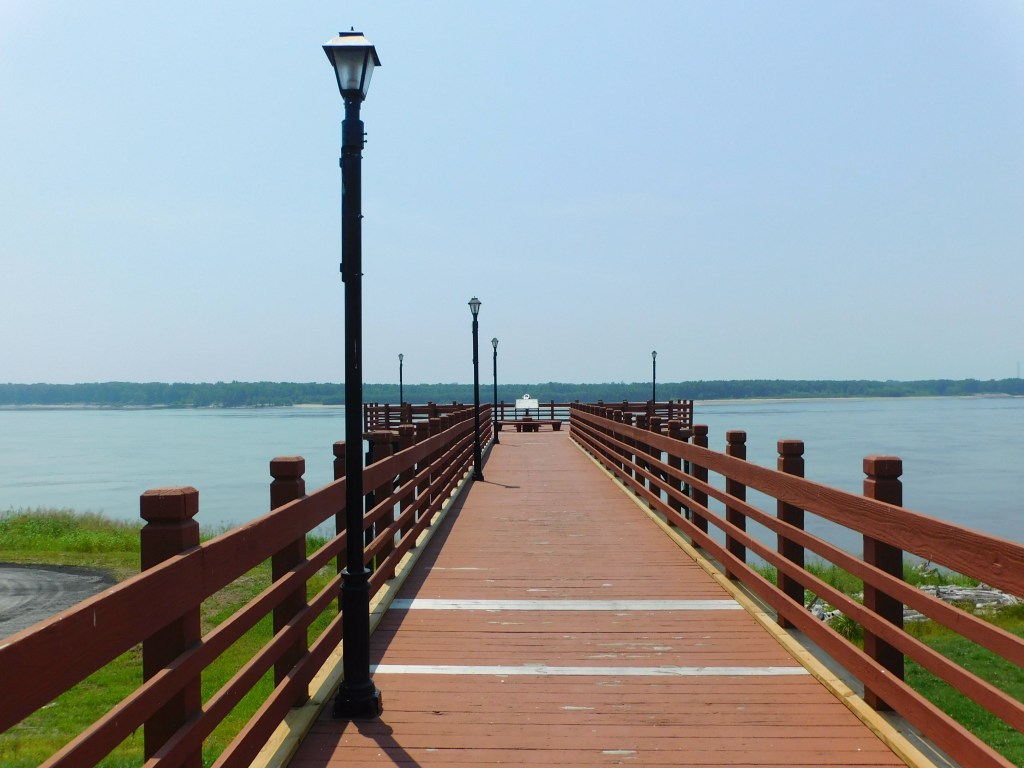
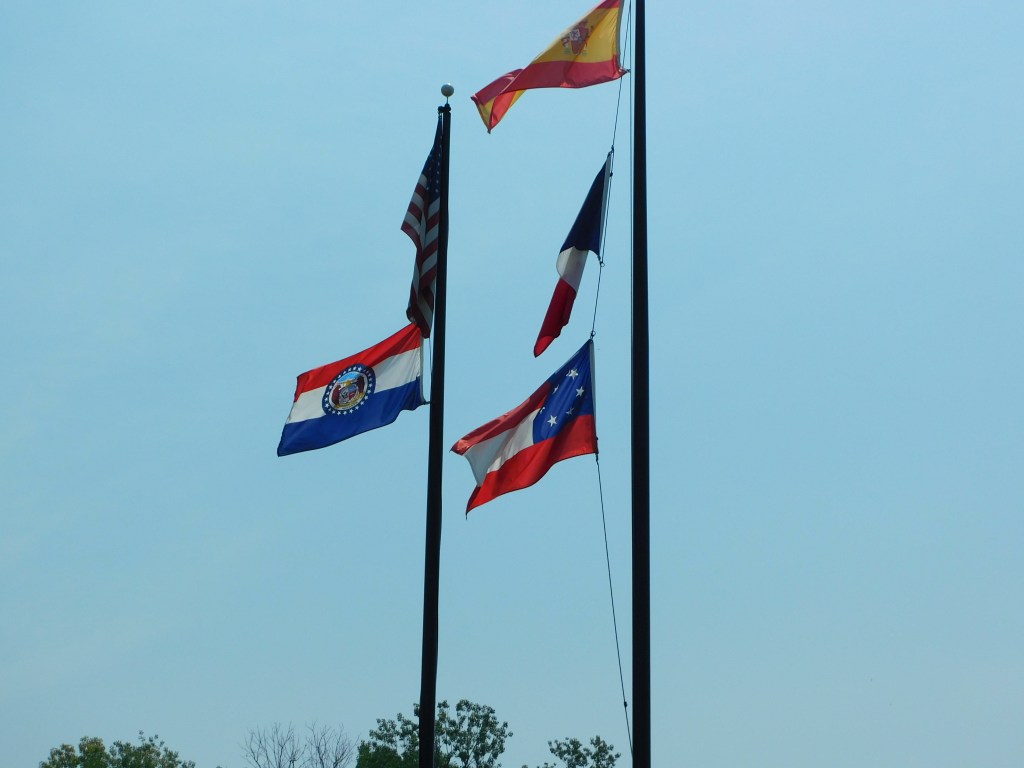
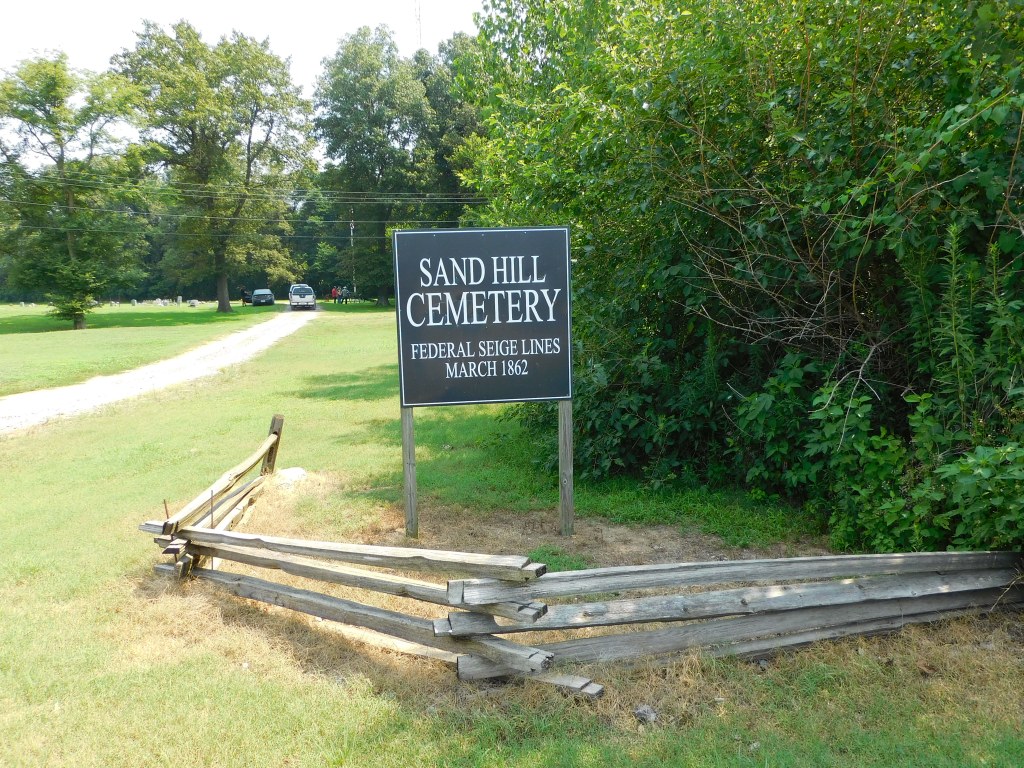
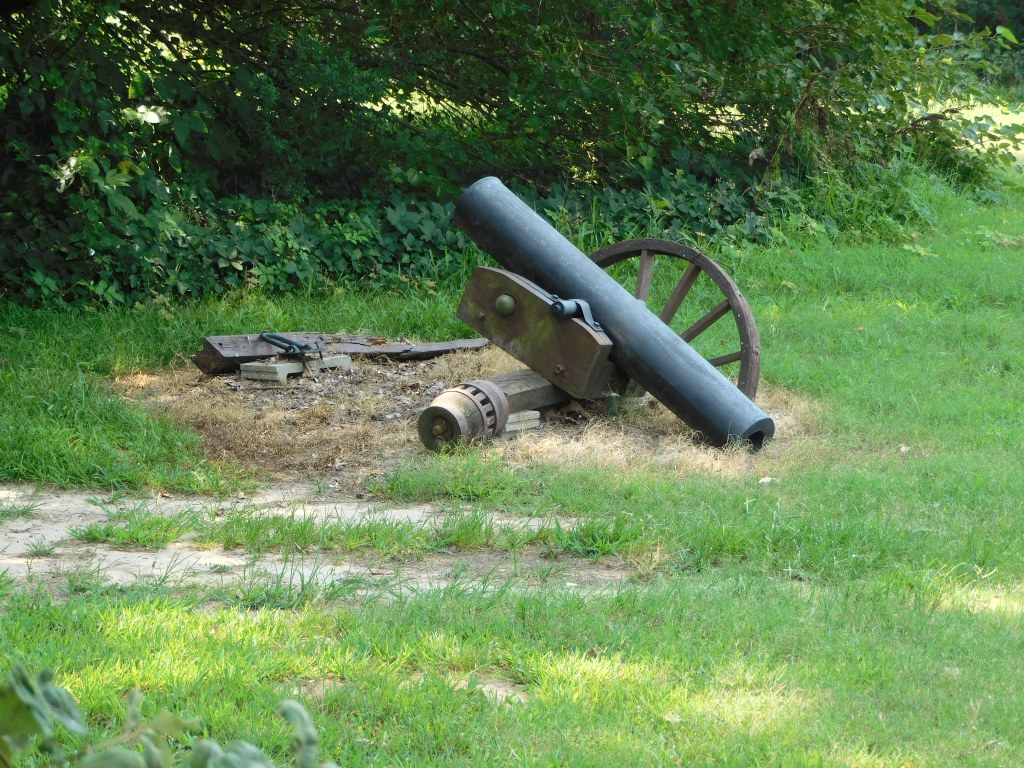
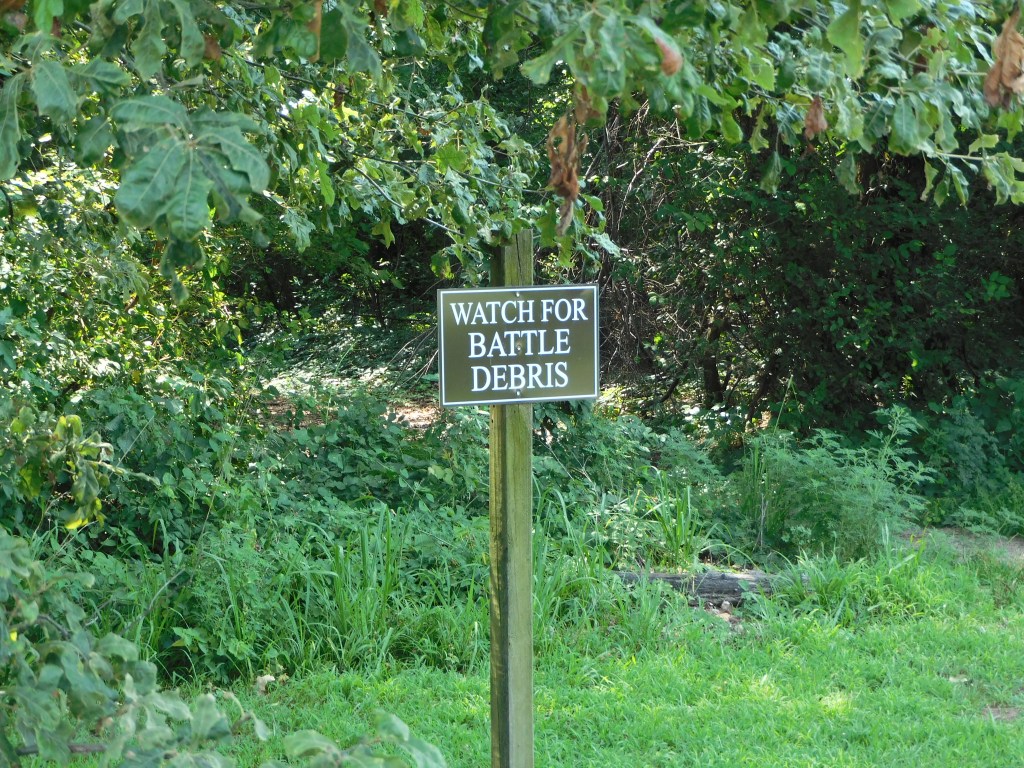
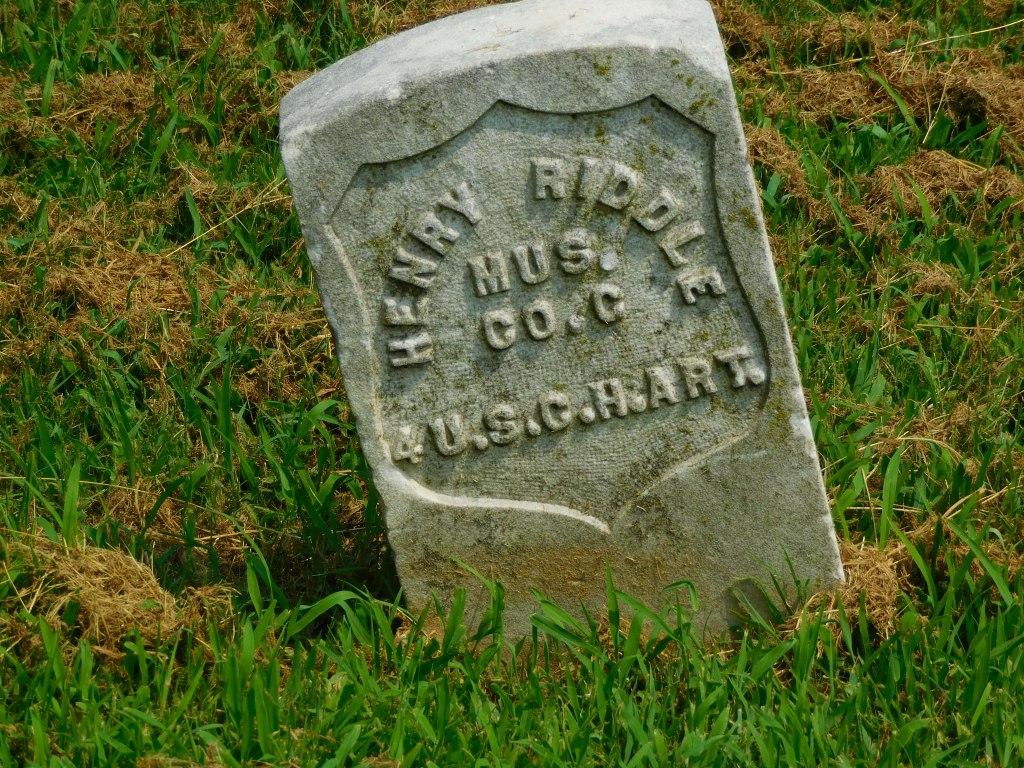
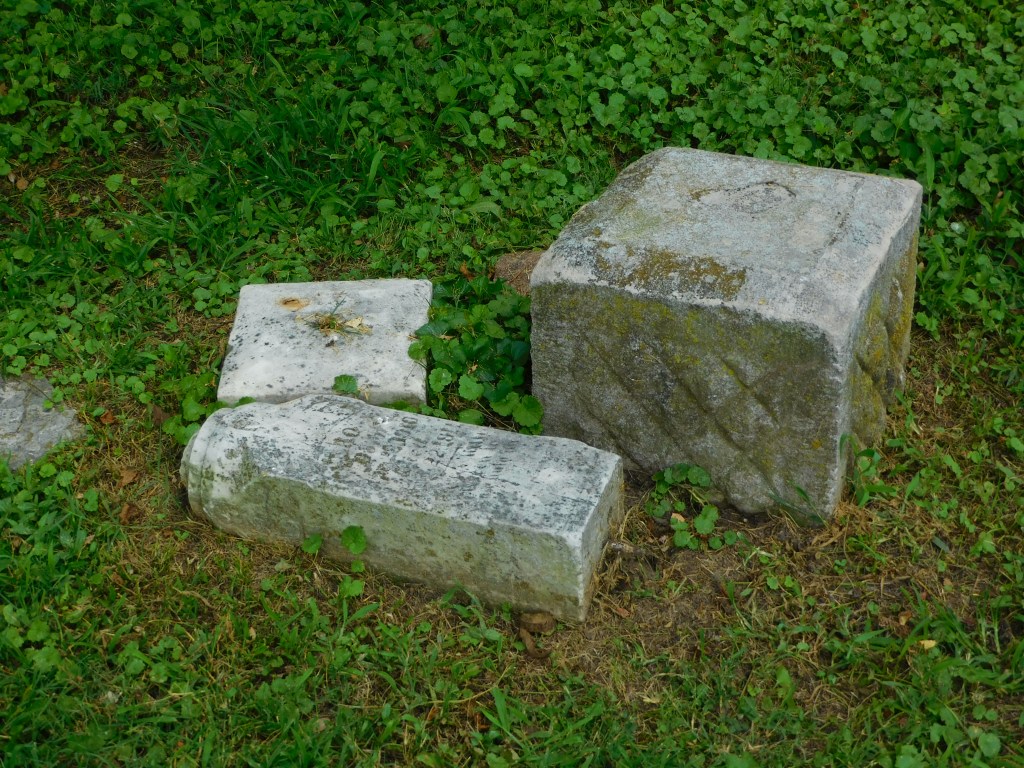
Downtown New MadridHistorical MuseumObservation Deck, Mississippi River Flag Display at Observation Deck. Site of Confederate Defenses Against Federal Siege Lines.Sand Hill CemeterySand Hill CemeteryDecaying Neighborhood Near East Side CemeteryHeadstone for U.S. Colored Soldier, East Side CemeteryMonument to Soldiers Killed During the Battle of Island #10, East Side CemeteryDestroyed Headstone, East Side Cemetery.East Side CemeteryHunter-Dawson CemeteryHunter-Dawson CemeteryHunter-Dawson Cemetery
Support independent media by purchasing our products. Confederate Missouri T-Shirt 100% cotton, sizes S-2XL $22.00
Missouri State University recently published the following interview with Ronald McQueery of Eminence, Shannon County, Missouri on life in the Ozarks and how tourism has effected the region.
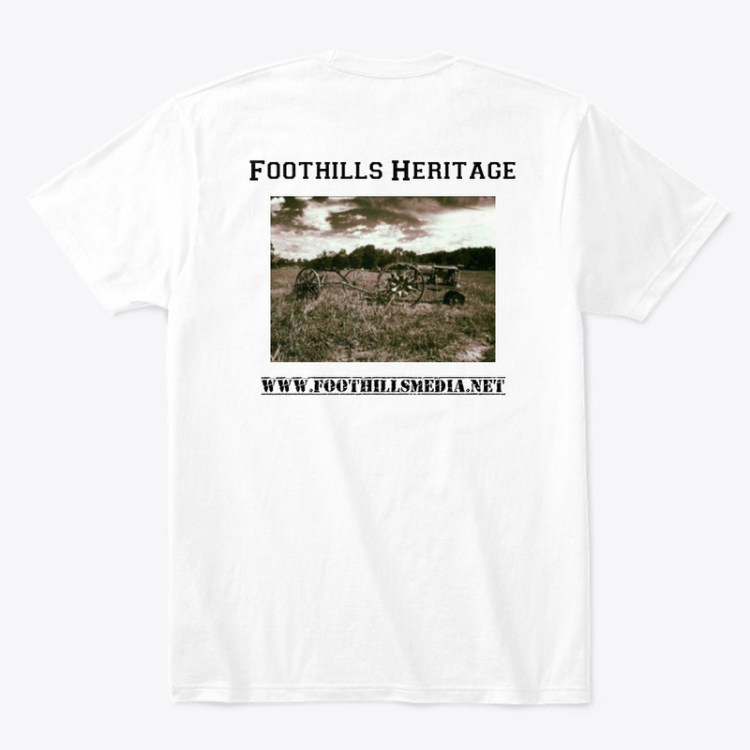
Support independent media through the purchase of our products. Foothills Heritage Series Antique Tractor. White, 100% cotton. Features our trademark Foothills Media LLC logo on the front, with black and white photo of antique tractor on the back. $19.99 available in sizes S-2X.
Special thanks to Joseph Hayden who shared this documentary on Sasquatch (Bigfoot) activity in Reynolds County, Missouri. Some might chuckle a bit about the headline for this post. Do Sasquatch exist? I don’t know. Whether or not you are a believer in such things, I think you will find David’s story fascinating.
The producer of this documentary has a channel on YouTube called “Sasquatch Theory” and posts the following in the description of the video:
“In this video I will be traveling to an area a couple of miles away to the current river in Missouri! I received a message from David. He explained to me the activity that had taken place and if I would be interested in coming down! A few days later I was on my way down to Reynolds County. I don’t want to give away the exact location just because I respect David and his property! I will warn the viewers now. I have never made a documentary in my life. I only had two days to do research and put a game plan together so please excuse the bad footage in some scenes. Everything was on the spot and I can’t reenact and recreate the things I witnessed! There was so much wildlife in this particular area my mind was blown. I spend hours and hours each year hunting and I seen and filmed more wildlife in 20 minutes in “the killing field!” When David takes me to the spot he is having wood knocks I began to hear knocking. The knocking was up on a ridge behind the thick forest! I somehow knew where the activity would be before David even shows me. You will notice me point to the spot that the knocks end up coming from! After a few years of researching and exploring the bigfoot topic myself I learned the topography that these “creatures/beings” like and where they particularly like to hang out at! Please be respectful of David’s experiences and stories as we were both nervous and doing everything on the spot! There was no reenactment of anything in this video! If you are looking to be entertained and watch something exciting this may not be for you. This is for the thousands of people who are experiencing the same things! It is easy to say someone is lying or full of it but I guarantee none of those people would come out to these spots with me alone at night! I really appreciate David and Linda having me out at their farm home! Thank you for the food you provided me and everything else I did not mention here! Since this documentary David and I have become good friends and keep in contact! We plan to explore the forest and do some research in this area the next time I come over!”
Foothills Media Baseball Cap
White, 100% cotton, comfortable with adjustable strap, this baseball cap features our trademark Foothills Media logo on the front with our web address on the back.20
$20.00
Support independent media by purchasing our products. Our t-shirts are a unique way of preserving, and celebrating Ozarks industry, heritage and culture. Our Foothills Logging tee is 100% cotton and comes in sizes ranging from Small – 2X. $19.00
Our 100% Cotton Heritage Series Cannon Tee is available in sizes Small- 2X. Shirt features a Civil War “mountain rifle” artillery piece with the Missouri State Guard and Missouri Battle Flag. Photo was taken during a Confederate Memorial Day service at the Bloomfield (Missouri) Civil War Cemetery located atop the rolling hills of Crowley’s Ridge. $22.00
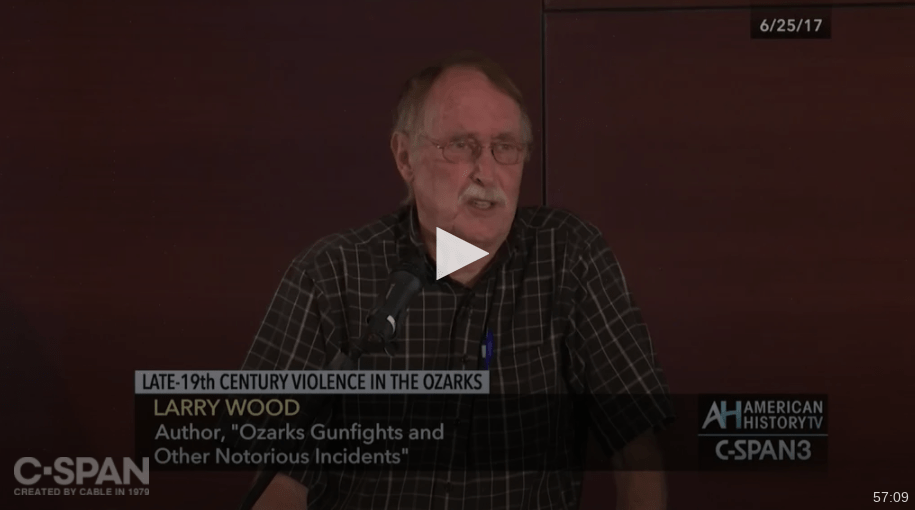
Larry Wood, author of Ozarks Gunfights and Other Notorious Incidents, shared the area’s violent history. He talked about feuding groups and infamous criminals from Wild Bill Hickok to Bonnie and Clyde. Originally aired on C-SPAN in June, 2017.
I had a friend message me recently and said, “I loved your article Impending War”.
It took me a minute to realize he was referring to an article I wrote in 2018 for the State of the Ozarks Writers and Artists competition that paired writers submissions with a talented artist who would create an illustration for the story.
“Impending War” was one of my few attempts at fiction and paired me with artist (and Ozark preservationist) Curtis Copeland.
Curtis and I would later work together on an article co-authored by SOTO founder Joshua Heston and I titled “Black Panthers Existence Denied.”
The Ozarks is an inspiration for creativity and a natural destination for artists and authors. Without further hesitation I present “Impending War”. Am I a decent fiction writer? I don’t know, I leave it for you to judge:
Image by Curtis Copeland
Impending War
by Clint Lacy
Cotton was not king in the Ozarks but hard work was. The soil was not suited for farming. If it had been the planters would have bought it up and brought their slaves with them.
Planting was done in small clearings. It was no easy task and the crops grown in the rocky soil were done so for subsistence, not cash.
Some of the corn was used to feed the cattle and some was ground into meal for the family.
News was slow to travel to the Ozarks but when it did arrive it brought word of the impending war.
My father doubted the war would make it to our isolated homestead.
Leaning against a split rail fence he stated, “There is barely enough for us to survive on, much less enough to fight over.”
He was in deep thought. He shifted the rocky soil back and forth with his foot and it was not clear whether he was trying to convince me or himself. With pipe in hand , he pointed at the barn and said, “Harness the mule son. We’ve got a crop to put in”.
From time to time a neighbor would bring news on the current state of affairs. Jim Sutton stopped by one day and stated the Governor had met with Captain Lyon in St. Louis to negotiate a peace and that the meeting had ended with Captain Lyon declaring war on the Governor, the State and every man, woman and child who lived there.
News traveled “through the grapevine” in the mountains, from neighbor to neighbor. Newspapers were a rarity. Partly because of isolation and partly because more than a few settlers could not read and had very little time for such luxuries even if they could. Despite the rumors of war, there was always work to be done. Wood needed to be chopped, livestock fed and fences repaired.
Most of our neighbors were of Scots-Irish who had immigrated from the neighboring states of Kentucky and Tennessee. They were Southerners of a different social class. A working class who placed more emphasis on necessary labor and taking care of their families and neighbors than the politics of the day.
August brought news of a great battle in the Western portion of the state and another visit from Jim Sutton.
I had just finished my chores for the day and had drew a bucket of water from the well. I dipped the ladle into the bucket and was taking a sip of the cool water when I saw Mr. Sutton ride up on his horse.
“Howdy Elijah”, he said with a smile, “Is John around?”
“Daddy’s in the barn Mr. Sutton” , I said.
My father walked out of the barn and said, “Howdy Jim. What brings you around?”
Jim Sutton climbed off of his horse and shook Daddy’s hand. “Can I talk to ya?”
They went to the barn but I could still make out part of the conversation. Mr. Sutton was trying to convince Daddy to join the Confederate forces and Daddy countered with, “Who’s going to take care of this farm and this family? This is no war for us besides you said Lyon was dead. There might not even be a threat to us now.”
“I’m going John”, Mr. Sutton said. “Lyon being killed isn’t going to stop what’s comin’, if anything, those Yankees are going to want vengeance and don’t go thinkin’ we’re gonna be safe here. Mark my words. They’re going to swarm over the whole state like a plague of locusts.”
“I wish you luck Jim”, Daddy said.
“You too John”, replied Mr.Sutton as he mounted his horse and turned it toward the road. Before riding off he stopped and added, “John. There are a lot of families headed down to Green County, across the state line. If the war visits your place take what you can and get down there.”
Support independent media through the purchase of our products…
Foothills Media Baseball Cap
White, fully adjustable, one size fits all. Features our trademark Foothills Media LLC logo on the front and “www.foothillsmedia.net” on the back.








 Foothills Media LLC